Confessions of an Indie Author: it’s really expensive
Dear Inklings,
Maybe it’s just me, but I quite enjoy peeking behind the curtain of other authors’ publishing journey and such, so I wanted to share mine, in case that’s any of you.
This is partially inspired by Mr. Troy Ford’s Road to Publishing series. I also happened to come across Emma Noyes’s post doing a cost breakdown for her special edition book, so many thanks to both of you for inspiring this particular post. Incidentally, Troy published another post about it this week, so read that one for another case study!
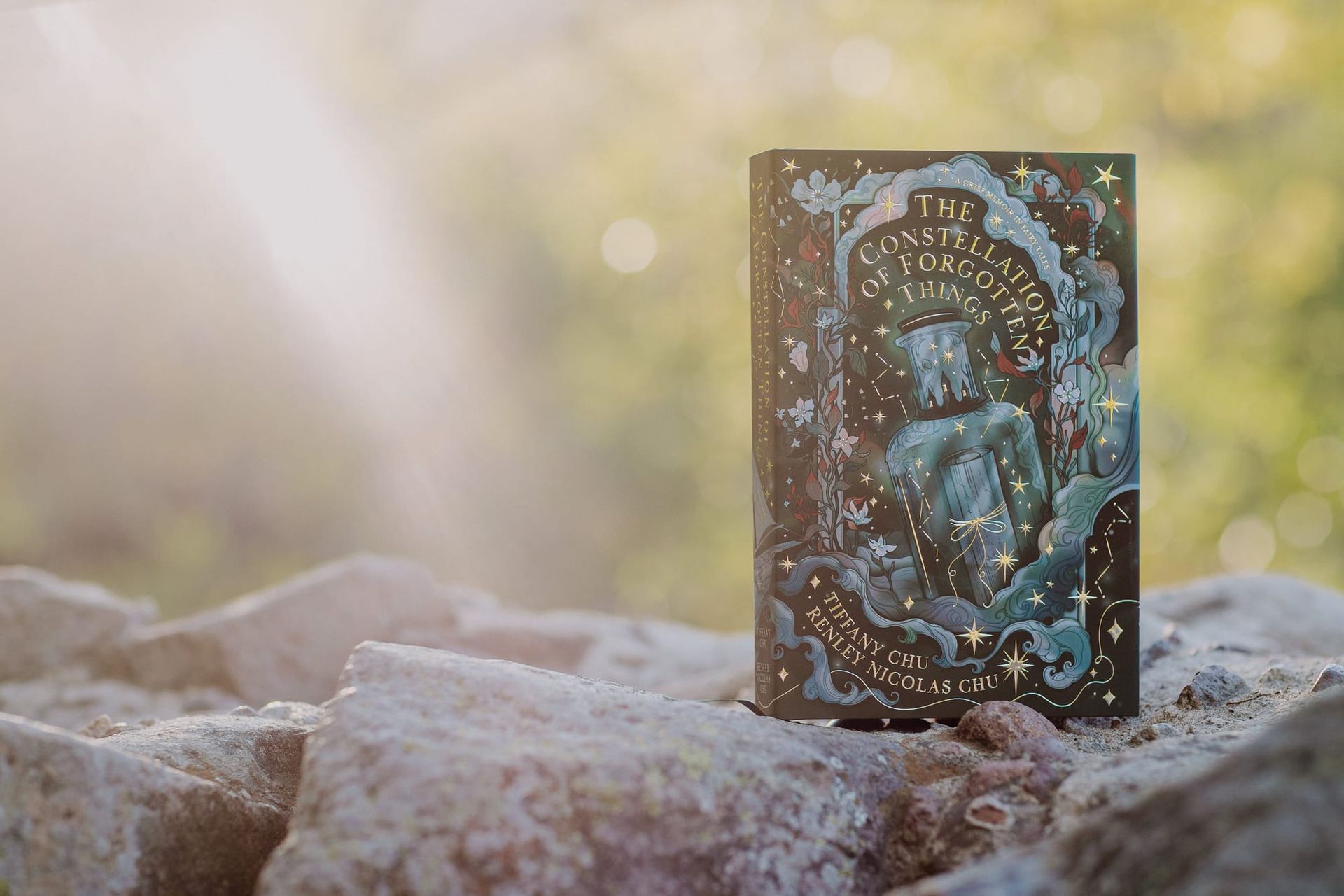
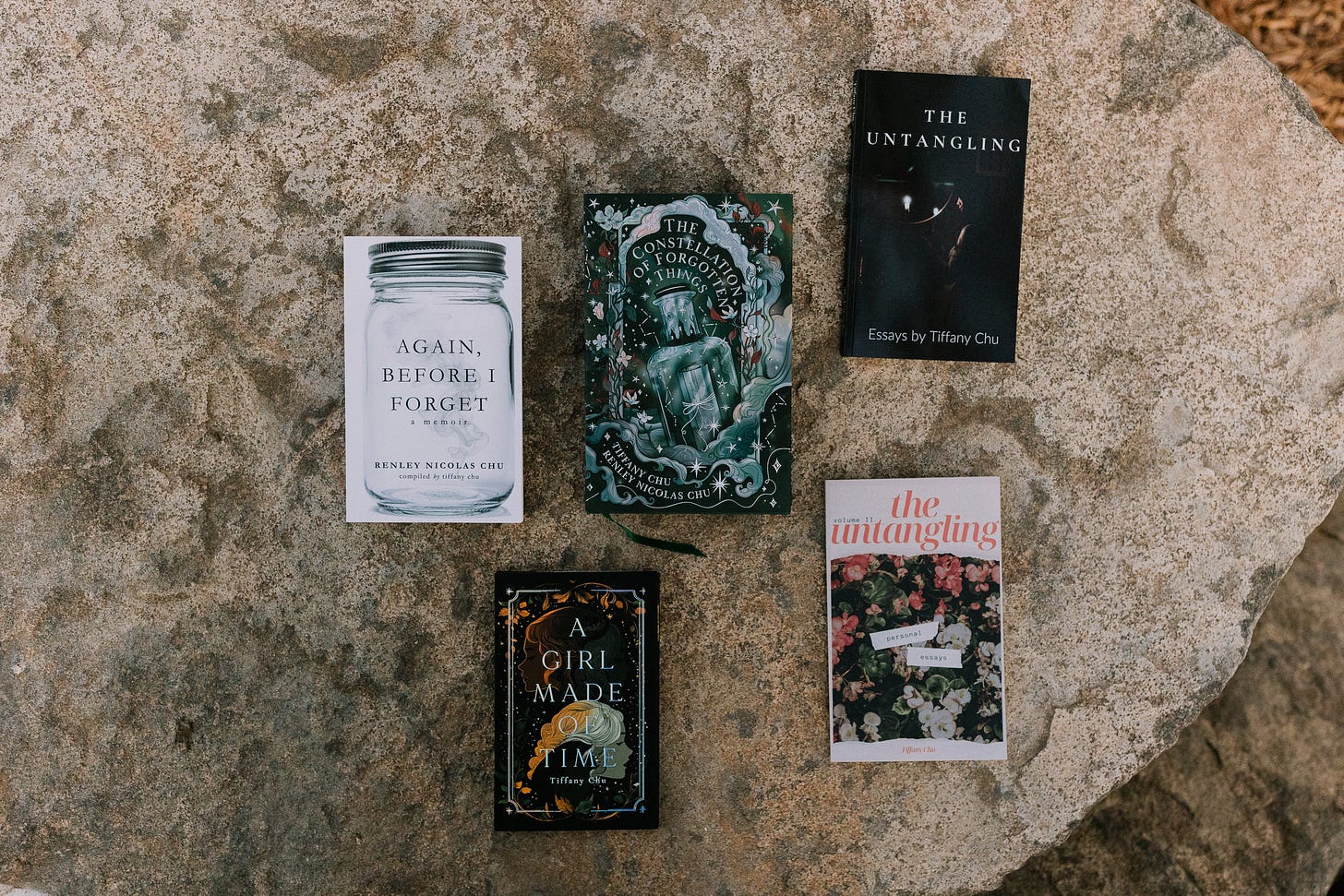
While I have published other books, they’re all been DIY without any of the promo that went into Constellation. The Constellation of Forgotten Things is my first book that’s properly hefty, you might say.
That’s not to say that the DIY books have been “cheap,” as some might say self-publishing is, but they’re faaarrr from how much I spent making Constellation. I made the covers myself in Canva, did the interior design myself using Vellum, and didn’t use professional editors until the later books.
Costs included the Canva premium subscription, Vellum software (which is a one-time cost), editors, and ISBNs.
Yes, you could use Amazon’s ASIN instead of ISBNs, but I prefer to have full ownership because I’m like that, hence indie publishing and not traditional. I’m far too controlling. That’s another story. I believe Draft2Digital (D2D) provides free ISBNs, but I haven’t used theirs either. Ten ISBNs cost $295 at the time of this writing at the end of 2026, and you need a separate one for each edition of your book (ebook, paperback, hardback, audiobook, etc.).
I’ve done a Goodreads giveaway for A Girl Made of Time, which led to many adds (good), a few reviews (ok), no sales that I could tell (eh). Goodreads automatically adds the book to entrants’ want-to-read list, but as for how many of those will actively seek it out afterwards—it seems not many. For $119, I don’t know if that’s worth it for not-even-many-reviews, though it may be worth it for getting your book in front of more eyeballs?? For you to decide. I personally would not do it again.
All the promotions I’ve done for these books were free—Amazon free promotion, Kobo and D2D promotions.
Alright, let’s get into the weeds of how much it cost to make The Constellation of Forgotten Things.
Production Cost Breakdown
Editing: $3662
I hired an editor for each stage of editing—that is, developmental, line, copy, and proofread. I was also a bit insane and got someone different for each one, when in reality, I could’ve done with just two.
Developmental editor: $1600
Line editor: $776
Copy editor: $941
Proofreader: $345
In retrospect, I would have hired S.E. Reid to do both developmental editing and proofreading, and skipped the copy editor. Overall, I ended up not super impressed with the developmental or copy editor. The copy editor made grammatical and punctuation errors that I had to go back and fix myself, so.. it wasn’t great. But my line editor and proofreader were both wonderful.
Cover Design: $1500
Ok yes, I’m crazy and had two covers done.
The special edition by Angela was $1050, and included the dust jacket, case cover, and edge design.
The trade paperback cover by A.C. Sanders was $450, discounted because I chose a different cover before and she’d already done the illustration for the triptych.
Interior Illustrations: $1375
This was for 2.5 illustrations. I say 2.5 because the third one is just the first illustration inverted, so it was discounted. These are only in greyscale. Patricia is one of the pricier illustrators I considered, but I love her style, and working with her was seamless (as opposed to a couple others who were unprofessional and ghosted me until I started asking for my deposit back), so I consider her worth it.
Interior designs: $2150
This includes the endpapers, map, signature page, chapter heading, and triptych illustration.
I did the interior formatting myself using Vellum. Interior design can cost almost $1000, depending on how complex you want it. I enjoy doing interior design, so this part wasn’t a chore for me.
I’ve heard decent things about doing interior design through D2D, so that’s an option if you’re on a budget and are already planning to publish through them.
Audiobook production
Decent microphone: $25
This has been an excellent investment. I originally bought it a couple years ago to do voiceovers for my newsletter posts, but it also worked well enough for recording audiobooks.
Descript software: $16/month
By the way, I almost never pay yearly fees because I rarely use something for more than a few months. The monthly costs look more expensive, but overall, if you’re not using it that frequently, you’re saving. I only subscribe for the amount of time I’m using something, then cancel it.
The most useful aspect of Descript is the “studio sound” function, which drastically improves sound quality. It also transcribes everything, which made editing the audio super easy.
Shout-out to Sarah Fay, PhD for introducing me to both the microphone and Descript.
Audiobook narrator: $2700
This includes editing and post-production. I was able to send my files to her editor so they could put everything together. Did I have to do an audiobook? No, but given how many people do listen to books via audio nowadays, it seemed worth it. If I hadn’t found a narrator that I thought had the perfect voice for this book, I would have skipped it, though.
Total book production cost: $11,478
Yeah..pretty painful already, but we have more!
Promotion Cost Breakdown
Publicist consult: $225
I met with Jeffrey Yamaguchi for a consult, and didn’t end up working with him for full-scale publicity. However, the consult was worth it for tapping into different avenues for promotion that I hadn’t thought about. He also packed a lot of advice into that short call, and helped me get my schedule/timeline in order.
ARC campaign: ~$300
I rented a two-month Netgalley slot with Victory Editing ($150 for two months). It was well worth it. Netgalley can cost a crazy amount on your own, so mitigating that through a co-op was much more doable. Besides, I found that even partway through the first month, requests dropped off significantly, so even one month would have been sufficient.
Prior to Netgalley, I’d run a separate ARC campaign through a mix of opening it up to you, Inklings, and contacting influencers and book reviewers on social media. I use Bookfunnel to send these ($22/month with the audiobook option).
I also tried Booksprout to get reviews, which was far less successful than Netgalley, and it was $19/month. I got less than ten reviews from Booksprout. However, the reviewers I connected with that way are wonderful, so still no regrets there. I kept it going for three months.
In total, I believe I sent out over 200 ARC copies, and currently have 76 Goodreads reviews. REALLY GOOD for an indie author with her first “real” book! The majority of those reviews by far came from Netgalley.
Physical proofs & shipping+supplies: $495
I sent quite a few physical proofs, especially to the generous authors who blurbed my book, as well as certain reviewers who requested for various reasons. In retrospect, I shouldn’t have opened this up to just anyone. Printing and sending physical ARCs added up to an insane amount, and many of those who received one didn’t end up reviewing. That’s mostly a me-problem, since that’s always the risk when sending ARCs of any kind. For future me, I’d only send to blurbers and those who have a reliable track record of actually reviewing. Everyone else should get the ebook version instead. The proofs weren’t even the main problem; author copies tend to be relatively inexpensive. The shipping killed me.
Trade reviews: $582
I’ve submitted to Indies Today and IndieReader. Unsure how impactful those are. As of today, have not won any awards, but the deadline hasn’t passed yet, so that remains to be seen.
I did get a starred review from Indies Today, which was nice. Did it lead to anything? Hard to track.
Pagebound Giveaway: $100
Despite having an uncertain experience with Goodreads giveaways, as previously mentioned, I decided to try Pagebound for a couple reasons. Pagebound is currently a much better company that I feel better supporting in general.
The Reddit-style forums for each book on Pagebound also made this more worth the cost. Pagebound sends reminders to giveaway winners to review the book, which is not something Goodreads does. I’ve gotten a couple reviews—not a lot, but I’ve noticed discussions happening in the feed for the book, which is cool. At the very least, it keeps people talking about the book, which is always a good thing.
Would do this again.
MTMC Tours: $933
Ok, so.. this was a lot. The tour itself cost $370 for two separate events: a cover reveal tour and a virtual Bookstagram & creative tour. Where it added up was, again, the proofs and shipping—especially since they require a certain number of international hosts. International shipping!! 💀
Working with MTMC was a good experience. They’re super supportive and put a lot of effort into promoting their authors. They are wonderful at what they do.
However, I’m not sure it was worth the total cost. There was a lot of engagement on the posts, a lot of new followers—but how many of them actually went and bought the book in the end? Very uncertain, and doesn’t seem like a lot to me. Maybe one or two?? While the hosts are required to review the book or share something about it in that vein, it’s completely on Instagram. Again, not necessarily a bad thing for a short-term promotion blast, but of course, Goodreads reviews have a longer lifespan.
If I did work with them again for a Kickstarter specifically, I’d time it better so that the tour lined up during a campaign. I suspect it’s harder to get people to sign up for a prelaunch page than sending them to a link where they can actually buy the book.
Special edition physical proofs: $300
This included shipping to the U.S. from the U.K.
I tried two different printers, one of which was significantly lower quality even though it would have cost a lot more to print with them. Good to know.
This is why you always print a proof for yourself!
Also noticed mistakes after the fact and had to fix, then order new proofs. A me-problem that would have been easily avoided if I’d been more careful looking through the virtual proof first.
Import taxes: $75
I GOT BLINDSIDED BY IMPORT TAXES! 😭 Do not get blindsided by import taxes. This is, incidentally, why I priced the special edition the way I did. When I printed a hundred copies of A Girl Made of Time, the import taxes were over $300.
Author photoshoot: $1619
As a former photographer of similar whimsical portraits, this idea came to me surprisingly late in the game, but I think even if you don’t go all out like I did, it’s worth taking photos of yourself with your book—or at least taking some professional photos of your book. Not only does it show people the book is a real thing that can and does exist (particularly essential for Kickstarters), but also gives an idea of the vibes. It’s true what they say; a picture says a thousand words.
Photographer (Let’s Frolic Together): $970
Dress (Fanciful Doll): $649
Other marketing things—poster board, bookplate, flyers, car decal, etc.: $220
I doubt the flyers/decal actually achieved anything, but they were relatively inexpensive.
Total book promotion cost: $4849
Definitely not the worst? I didn’t do any advertising. That was not a beast I wanted to tackle.
Grand Total: $16,327 (so far)
Other Costs
- Canva premium: $120/year
- Vellum $250 one-time fee
- Bowker 10-ISBN package: $295 (this book used 5 ISBNs all by itself)
- StoryOrigin to send out beta reader copies: $10/month (I guess this belongs under promotion)
- Copyright registration: $45
- Website (hosted on Ghost): $329/year
- Domain registration: $10.74
I haven’t even gotten to printing the books I’ve actually sold yet HAHAHAHA (cries in broke).
The seasoned authors do say that you never break even on your first book, so I never expected to. Books are a notoriously low profit margin item, especially with printing and shipping costs, but we know writers aren’t in it for the money, right? Right?? As Mr. Troy Ford wrote in his most recent post, the median income for a full-time writer is $10k/year LOL.
ROI? Never heard of ‘em.
So banish the myth of the rich, famous author forever from your mind.
No, we are in it for the love of storytelling, and because we’re passionate about it. Still, we can’t eat passion or pay our bills with it, so there’s the rub.
Lessons Learned
Recommendations only go so far.
The two editors I mentioned I wasn’t impressed with were recommended by a reputable individual in the author community. You do still have to do your own vetting (I know; who’d’ve thunk?). One of the printers was also recommended to me by someone who uses it for all her books, but it was decidedly lackluster compared to the other while being almost double the price.
Early on, I had a cover designer debacle when the original designer I was supposed to work with ghosted me around the time we were supposed to start working together, citing personal issues. I’d contacted her in January to start work in September, so this was planned really far in advance. She dragged me along for two months before finally saying she couldn’t do it, leaving me in a frenzy to find another artist. Illustrators and cover designers book out really early, so this was a legitimate concern with the campaign scheduled in less than a year.
I did get super lucky that Angela happened to open up commissions around this time, but after that one opening in November 2025, she was booked all through 2026—to give you an idea.
I had an art print illustrator do something similar, who wouldn’t respond for months until I finally asked for my deposit back.
With both of these, I learned the importance of having a contract in place. Even if no money is exchanged, I think the fact that a contract exists shows a certain level of organisation.
I can live with delays, but not lack of communication.
I had certain fears that later have so far turned out to be unfounded:
“Sending too many ARCs will detract from sales.” The idea of early reviews is to drum up interest before a book release. In reality, several ARC readers ended up buying the book. Now that I think about it, I don’t know why I’m surprised. If I love an ARC, I also still purchase the hard copy when it comes out.
Moral of the story: write a good book, and people will still buy it, even if they got an early copy for free.
“Sending daily marketing emails will lose me tons of subscribers.” Granted, you could argue that those subscribers weren’t my true fans anyway, and this was just an intense winnowing process. It never feels nice to see the number go down, though. However, this was nowhere near as drastic as I thought it would be. I somehow gained a few new subscribers during the campaign, so I’m not sure how many unsubscribed, but overall I ended up losing less than 50.
I don’t want to speculate too much on this; only you can tell me why you’re still here even if you’re not backing the campaign. I’d like to think it’s because I’ve built up enough trust with my Inklings that you know this isn’t a long-term or regular thing I do.
TL;DR
- Vet your editors.
- Be more discerning about how many physical ARCs you send, and to whom.
- Budget for import fees if printing overseas lol
- Book artists/cover designers well in advance. Require a contract.
- Shipping costs add up crazy fast. I was warned about this and still got blindsided. Do your research and budget accordingly.
- Don’t be lazy like me; scour each page of your virtual proof before ordering a physical proof.
I hope this was helpful and/or interesting.
With Love,

No spam, no sharing to third party. Only you and me.
Member discussion